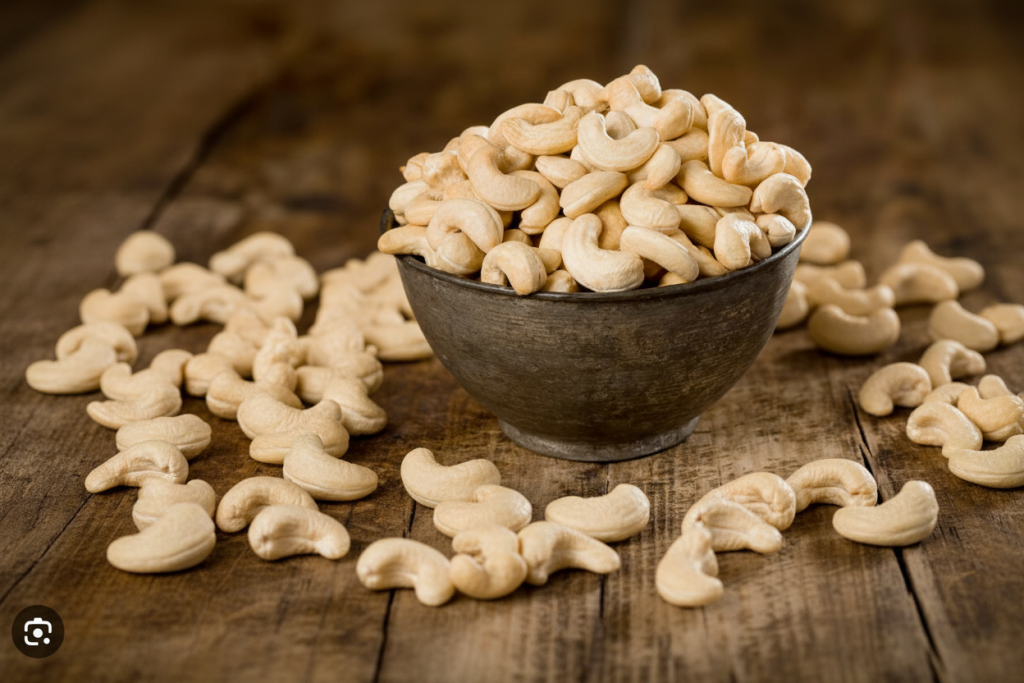
Cashew nuts are a popular snack enjoyed all over the world. But how many people know the fascinating journey these delicious nuts take from their humble beginnings in the tropical forests to reaching our plates? The story of cashew nuts is one of transformation, from being the “monkey’s apple” in the wild to becoming a beloved nut that’s incorporated into a wide range of dishes and snacks.
In this article, we’ll take you through the fascinating journey of the cashew nut, from its origins in nature to its place in your kitchen.
1. The Origin: From the Monkey’s Apple to the Cashew Tree
Cashew nuts originate from the Anacardium occidentale tree, which is native to Brazil. Interestingly, the cashew nut is not a true nut, but a seed that grows at the bottom of the cashew apple, a juicy, pear-shaped fruit. The cashew apple is often referred to as “monkey’s apple” because it is frequently eaten by wildlife, especially monkeys, who are fond of the sweet, tangy fruit.
The fruit is actually considered edible, though it is rarely consumed outside of the regions where cashews are grown, primarily because of its high water content and short shelf life. While the cashew apple is eaten fresh in tropical areas, the cashew nut (which is technically the seed of the fruit) is harvested, processed, and exported worldwide for its nutritional benefits.
2. Harvesting and Processing: The Careful Collection of Cashew Nuts
The journey of cashew nuts from the wild to your plate is far from simple. After the cashew apples are harvested, the nuts are removed from the fruit. Here’s where the real work begins:
- Removing the Nut: Each cashew nut is encased in a hard shell that contains a toxic resin, which must be carefully removed. The nuts are traditionally roasted or steamed to neutralize the toxic resin before being cracked open. This process is often done by hand, requiring skilled labor to avoid damage to the nut.
- Drying and Sorting: After the nuts are extracted from their shells, they are thoroughly dried to preserve freshness and prevent mold. The nuts are then sorted by quality and size, making their way through various stages of processing before being packaged for export.
- Packaging and Exporting: Once processed, the cashew nuts are packaged and shipped to different parts of the world, where they are sold as snacks, incorporated into recipes, or processed into products like cashew butter, cashew milk, and more.
3. The Nutritional Powerhouse: Why Cashew Nuts Are Loved Worldwide
Cashew nuts are not just delicious; they’re packed with health benefits. Rich in healthy fats, protein, vitamins, and minerals, cashew nuts offer a range of nutritional benefits that make them a popular choice in many diets. Here’s why they’ve earned their place on your plate:
- Healthy Fats: Cashew nuts are an excellent source of monounsaturated and polyunsaturated fats, which help reduce bad cholesterol (LDL) and boost good cholesterol (HDL), promoting heart health.
- Protein & Fiber: Cashews provide a good amount of protein and fiber, making them an excellent choice for muscle repair, satiety, and digestive health.
- Minerals & Vitamins: Cashews are packed with magnesium, copper, iron, zinc, and vitamin E, which are all essential for various bodily functions, including bone health, immune function, and skin repair.
4. Cashew Nuts Around the World: Culinary Uses
The versatility of cashew nuts is another reason why they’ve become a global favorite. From savory dishes to sweet treats, cashews are a staple in many culinary traditions:
- Snacking: Roasted and salted cashews are a popular snack worldwide, enjoyed for their crunchy texture and rich flavor.
- Salads and Dishes: Cashew nuts are often added to salads, stir-fries, and curries, adding both crunch and a rich, creamy texture.
- Cashew Butter and Milk: Cashew butter and cashew milk have become popular alternatives to peanut butter and dairy milk, making them ideal for those with dietary restrictions.
- Desserts and Sweets: Cashews are often used in desserts, such as cashew cookies, cakes, or energy bars, for an added creamy taste and crunch.
5. The Global Journey: Where Cashew Nuts Are Grown and How They Travel
While cashew nuts are native to Brazil, they are now grown in many tropical regions around the world, including:
- India: India is one of the largest producers and exporters of cashew nuts, with many regions in the country cultivating the trees.
- Vietnam: Another major producer, Vietnam has emerged as a global leader in cashew nut production.
- Africa: Several countries in West Africa, including Côte d’Ivoire and Tanzania, have also become significant producers of cashews in recent years.
The global journey of cashew nuts is made possible through a complex supply chain that involves harvesting, processing, packaging, and exporting. With their wide availability, cashew nuts have made their way into kitchens and snack aisles across the globe.
Conclusion: From the Jungle to Your Plate
The journey of the cashew nut—from the tropical forests of Brazil to being a staple in kitchens worldwide—is a fascinating one. What began as a simple fruit loved by monkeys has transformed into a beloved snack and a nutritious food with global appeal. Whether you enjoy cashews as a snack, in your salads, or as part of a savory dish, they bring with them a host of health benefits and rich history. So, next time you snack on cashew nuts, remember the unique journey they’ve taken to become the nutritious hero in your diet.