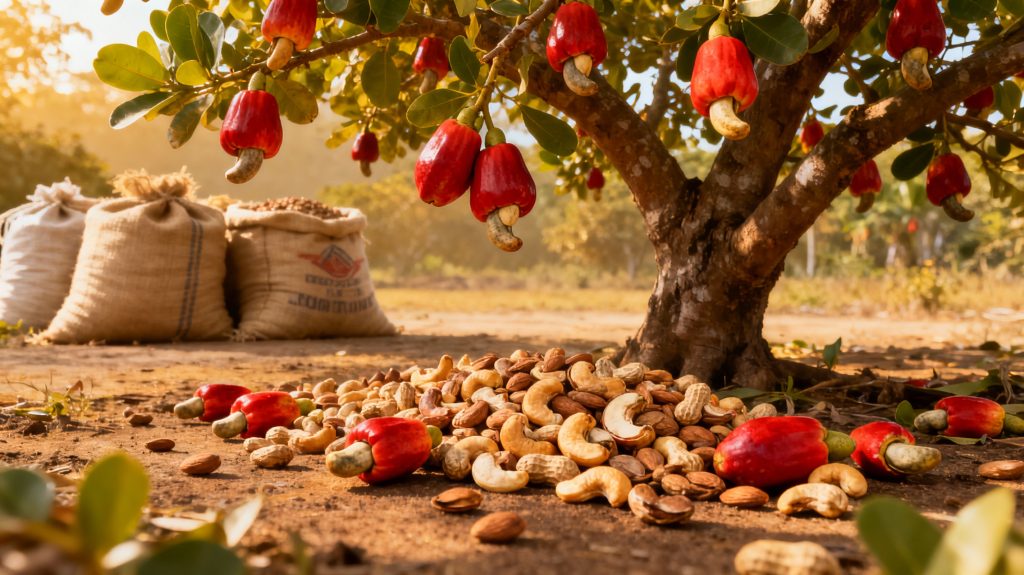
Cashew nuts, once native to Brazil, have gained international popularity and become a highly valued premium export commodity across the globe. Known for their rich, creamy texture and subtle sweetness, cashews are not only a delicious snack but also a powerful source of nutrients. They are now a staple in global markets, and their growing demand is reshaping the global trade of agricultural products.
In this article, we will explore why cashew nuts have become one of the most sought-after export commodities worldwide, looking into their nutritional benefits, global trade trends, and the growing market demand for this healthy, versatile nut.
1. A Global Demand for Cashew Nuts
Cashew nuts are consumed in various forms around the world, from whole roasted nuts to cashew butter, milk, and even flour. Their versatility and popularity make them a valuable export product for producing countries. Here are some of the reasons behind the increasing demand for cashews:
a. Growing Health Consciousness
As consumers become more health-conscious, they are turning to nuts and seeds as a healthier snack option. Cashews are rich in healthy fats, protein, and fiber, making them a great addition to plant-based diets and heart-healthy eating. Additionally, cashews contain antioxidants like vitamin E, which support overall health, and magnesium, which aids in maintaining muscle and nerve function. This growing awareness of the health benefits of cashews has made them highly sought-after in global markets.
b. Cashew as an Ingredient in Popular Food Products
Cashews are used in a variety of food products—from salads and cooking to smoothies, desserts, and dips. Cashew butter and cashew milk have become popular alternatives to peanut butter and dairy milk, making cashews even more versatile and marketable. These plant-based products are in high demand due to the rise in veganism and dairy-free diets, driving the global demand for cashew nuts.
c. Global Export Potential
Countries like India, Vietnam, and Brazil are among the largest producers and exporters of cashew nuts. The global trade in cashews has expanded rapidly in recent decades, with the nuts being shipped to North America, Europe, and Asia. Cashew nuts are one of the top agricultural exports in countries like India and Vietnam, which have well-established cashew industries. With increased global trade networks and improved processing technology, cashew nuts can now reach markets worldwide, adding to their status as a premium export commodity.
2. Nutritional Powerhouse: The Value Behind the Product
Cashew nuts are a nutritional powerhouse, packed with essential vitamins and minerals that contribute to their premium status in the export market.
a. Heart-Healthy Fats
Cashews are an excellent source of monounsaturated and polyunsaturated fats, both of which are beneficial for heart health. These healthy fats help lower bad cholesterol (LDL) and raise good cholesterol (HDL), promoting cardiovascular health. With the increasing awareness of heart disease and its prevention, the demand for heart-healthy products like cashew nuts has surged.
b. Protein and Fiber for Plant-Based Diets
Cashew nuts are a great source of plant-based protein, making them an important protein source for vegetarians and vegans. Additionally, their high fiber content aids in digestion and helps control blood sugar levels. As more people adopt plant-based diets, the demand for protein-rich snacks like cashews has risen significantly.
c. Essential Vitamins and Minerals
Cashews are also rich in magnesium, copper, iron, and zinc, which are essential for maintaining a healthy body. These minerals play key roles in supporting bone health, immune function, and energy production, further boosting the global appeal of cashew nuts.
3. The Role of Cashew Nut Processing in Its Export Value
The cashew nut industry is highly reliant on processing technology, which has significantly increased the value of cashews in international markets. The process of extracting the edible cashew nut from the hard shell is labor-intensive and requires careful handling. The cashews are typically roasted, salted, or flavored, making them even more appealing to consumers.
a. Specialized Processing for Premium Products
Cashews are carefully processed to maintain their high quality. Processing involves removing the hard shell, drying the nuts, and sorting them by size and quality. This ensures that only the best cashews are packaged and exported. Countries with advanced processing techniques, like Vietnam and India, are able to produce high-quality cashews that meet international market standards. This added value from processing helps elevate cashew nuts to premium status in the global marketplace.
b. Cashew Nut By-Products
In addition to whole cashew nuts, by-products like cashew butter, cashew milk, and cashew flour have become highly marketable items in the global food industry. These products are increasingly in demand due to their versatility and nutritional value. By diversifying the cashew industry’s products, cashews have become an even more valuable export commodity.
4. The Sustainability Aspect: Growing Eco-Friendly Practices
Sustainability is becoming an increasingly important factor in global trade, and the cashew nut industry is adapting to meet these demands. As consumers become more eco-conscious, the demand for products that are produced sustainably has grown. The cashew industry is responding by:
- Sustainable farming practices that reduce the environmental impact of cashew cultivation.
- Fair trade practices that ensure fair wages and working conditions for farmers and workers in the cashew supply chain.
- Eco-friendly packaging for cashew nut products, reducing plastic waste.
By focusing on sustainability, cashew producers are meeting the demands of environmentally-conscious consumers, further increasing the appeal of cashew nuts as a premium export commodity.
5. Future Outlook: Cashew Nuts as a Global Commodity
The global demand for cashew nuts continues to grow as more people discover their health benefits and versatility in cooking and snacking. With the expansion of global trade, improved processing technologies, and a greater emphasis on sustainability, cashew nuts are well-positioned to maintain their status as a premium export commodity.
Cashews’ health benefits, their versatility in a variety of food products, and the growing trend toward plant-based diets make them an essential part of global markets. As more countries invest in cashew cultivation and processing, cashews will continue to play a significant role in the global trade of agricultural products.
Conclusion: Cashew Nuts as a Premium Global Export
From their nutritional powerhouse status to their growing demand in global markets, cashew nuts have become one of the most sought-after commodities worldwide. Whether they are eaten as snacks, incorporated into products like cashew butter or milk, or used in various culinary dishes, cashew nuts are undoubtedly a premium export commodity.
By understanding the full journey of cashew nuts—from cultivation to global trade—we can appreciate the immense value they bring to international markets and their role in promoting health and well-being worldwide.